
Table of Contents
Toggle10 Stylish Ways to Match Curtains with Your Sofa Like a Designer (Expert Tips & Ideas)
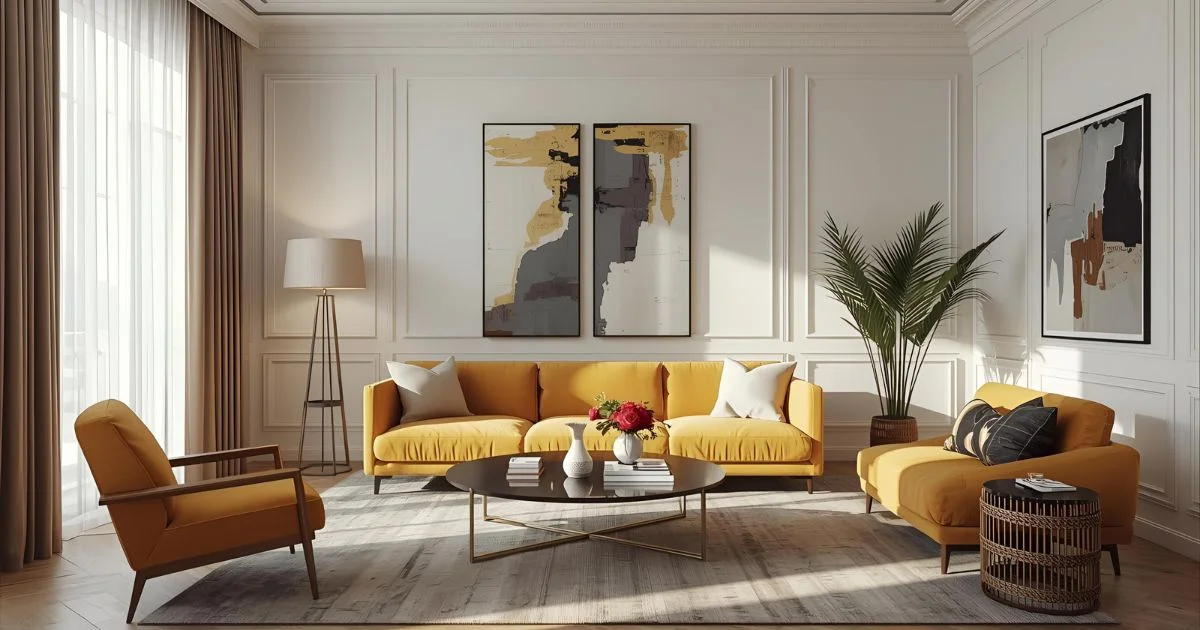
When it comes to decorating your living room, the right combination of curtains and sofas can completely transform the space. These two elements are often the largest and most noticeable pieces in any room, which makes getting the pairing right crucial for a harmonious and stylish look. Whether you’re redecorating a neutral-toned room or experimenting with bold colors, knowing how to combine your curtains and sofa is essential to elevate your interior instantly.
From selecting patterns, fabrics, and textures to balancing contrast and complementing your wall colors, the right choices ensure a cohesive, inviting, and sophisticated atmosphere. In this guide, we’ll explore 10 stylish ways to match curtains with your sofa, giving you practical advice, real-life examples, and designer-approved tips for different room sizes and styles.
If you want deeper visual ideas, browsing sofa styles online can help you see how professionals pair curtains with furniture
1. Should Curtains and Sofas Be the Same Color

One of the most common questions in interior design is whether your curtains should match your sofa. The simple answer: not necessarily. Curtains don’t need to be the exact same color, but they should complement the sofa to create a cohesive look.
For example, a light beige sofa pairs beautifully with soft cream, ivory, or pastel curtains, giving the room a soft, airy, and elegant vibe. On the other hand, a deep grey sofa works best with slightly lighter grey curtains or warm-toned neutrals to prevent the space from feeling too heavy or monotonous.
Pro Tip: If you’re aiming for a monochromatic theme, choose curtains that are a shade lighter or darker than your sofa. This subtle contrast creates a layered effect that feels intentional rather than “matchy-matchy.”
A charcoal grey sofa with cream curtains, for instance, balances depth and brightness, ensuring the living room feels stylish, welcoming, and well-thought-out.
For more inspiration on styling your space, explore our guide on Best Living Room Curtain Ideas for Modern Homes to discover modern and creative drapery options
2. Can Contrasting Colors Work

Contrasting colors can add vibrancy and energy to a living room if used correctly. Rather than sticking to similar shades, consider pulling colors from opposite sides of the color wheel.
For example, a blue sofa can pair with burnt orange or mustard yellow curtains. This combination creates a dynamic visual focal point while maintaining harmony, as these are complementary colors. Similarly, a neutral-colored sofa like beige or grey can be paired with bold, rich curtains in emerald green, teal, or deep burgundy to add drama without overwhelming the space.
Designer Tip: Use accessories like cushions, throws, and rugs to tie the contrasting colors together. This ensures the overall room feels cohesive rather than chaotic. Contrasting colors can transform even a simple living room into a designer-worthy space that reflects personality and style.
To help you choose the right fabric for your windows, check out our detailed guide on Linen vs. Polyester Curtains: Which Is Best for Living Rooms? for expert insights and tips
3. Should You Match Curtains to the Wall or the Sofa

Deciding whether to match your curtains with the wall or sofa depends largely on your room’s existing colors and lighting.
- Light walls: Pair curtains with your sofa to create contrast and make the furniture stand out. This technique is ideal for rooms where the sofa is meant to be the focal point.
- Dark walls: Match curtains to the wall color to avoid making the space feel cramped or cluttered. Dark walls paired with contrasting curtains can overwhelm the room, while similar tones create visual continuity.
This strategy is particularly useful in modern or minimalist living rooms. By carefully balancing curtain, wall, and sofa colors, you can create a sense of flow that enhances the room’s proportions and overall aesthetic.
4. Use Patterns Wisely

Patterns are a fantastic way to inject personality and character into a room. However, using them requires careful planning to avoid visual chaos.
- Solid-colored sofas: These are perfect for experimenting with patterned curtains, such as floral, geometric, or striped designs. Patterns can introduce interest, depth, and texture to an otherwise simple space.
- Patterned sofas: Stick to neutral or solid-colored curtains to maintain balance. Too many competing patterns can make the room feel busy and uncomfortable.
Example: A neutral beige sofa can be paired with curtains that feature subtle floral patterns containing beige tones. This creates a layered, cohesive look. A sofa with a bold checkered or striped pattern, on the other hand, looks best with simple, solid curtains in soft tones like ivory, taupe, or light grey.
5. Consider Fabric and Texture

The fabric of both your sofa and curtains significantly impacts the room’s mood and overall style.
- Velvet or plush sofas: Pair with heavy, luxurious curtains for a sophisticated and elegant ambiance. Rich fabrics enhance a formal living room while emphasizing comfort and warmth.
- Linen or cotton sofas: Lightweight, airy curtains work best for relaxed, casual spaces. These fabrics maintain a breezy and natural look that feels inviting and effortless.
Mixing textures can also elevate your living room design. For instance, a soft linen sofa combined with silk or velvet curtains adds depth and interest, creating a sophisticated contrast that feels curated and high-end.
6. Play with Light and Contrast

Curtains and sofas can be used strategically to balance light and contrast in a living room.
- Dark curtains with a light sofa: Draw attention to the furniture and create a dramatic focal point.
- Light curtains with a dark sofa: Brighten the space while highlighting the sofa’s shape and color.
This method is simple but effective, enhancing the room’s visual hierarchy and making the overall design more striking. Light and contrast also help define areas within a room, particularly in open-plan spaces.
7. Layer Curtains for Depth

Layering curtains is both functional and stylish. Combining sheer and blackout panels creates versatility while adding dimension to your windows.
- Sheer curtains: Allow natural light to filter through softly, creating a warm and inviting glow.
- Blackout curtains: Provide privacy and insulation, while adding a dramatic or cozy effect depending on color and fabric choice.
Layering is particularly useful for rooms with large windows, where controlling light and privacy is essential. Additionally, layered curtains give windows a designer touch, making even modest spaces feel luxurious
8. Incorporate Accent Colors

One of the simplest ways to create harmony is by drawing curtain colors from other elements in the room.
- Pull colors from cushions, rugs, or artwork to create continuity.
- For example, a beige sofa can be paired with warm-toned curtains, while a navy blue sofa works well with soft complementary shades like muted greens, soft yellows, or blush tones.
This technique ensures the living room feels intentional and curated, rather than randomly decorated. Accent colors also make it easier to experiment with seasonal updates without overhauling the entire space.
9. Use Curtains as Room Dividers

One of the simplest ways to create harmony is by drawing curtain colors from other elements in the room.
- Pull colors from cushions, rugs, or artwork to create continuity.
- For example, a beige sofa can be paired with warm-toned curtains, while a navy blue sofa works well with soft complementary shades like muted greens, soft yellows, or blush tones.
This technique ensures the living room feels intentional and curated, rather than randomly decorated. Accent colors also make it easier to experiment with seasonal updates without overhauling the entire space.
10. Match Styles and Themes

Finally, always consider the overall style of your room when choosing curtains.
- Modern sofas: Sleek, minimal curtains work best to maintain clean lines and simplicity.
- Classic or traditional sofas: Ornate or heavy drapes complement formal or vintage designs.
- Eclectic rooms: Mix patterns, textures, and colors, but maintain a cohesive theme to avoid clutter.
Aligning your curtain style with your sofa ensures that the space feels intentional, balanced, and polished—exactly how a designer would approach it.
Conclusion
Matching curtains with sofas doesn’t have to be intimidating. By considering color, pattern, fabric, texture, and overall balance, you can create a living room that is cohesive, stylish, and inviting.
Experiment with contrasts, layering, and accent colors to add personality and designer-level sophistication. Remember, your personal style matters most—use these 10 expert tips to craft a living room that truly reflects your taste while remaining practical, comfortable, and visually stunning.