
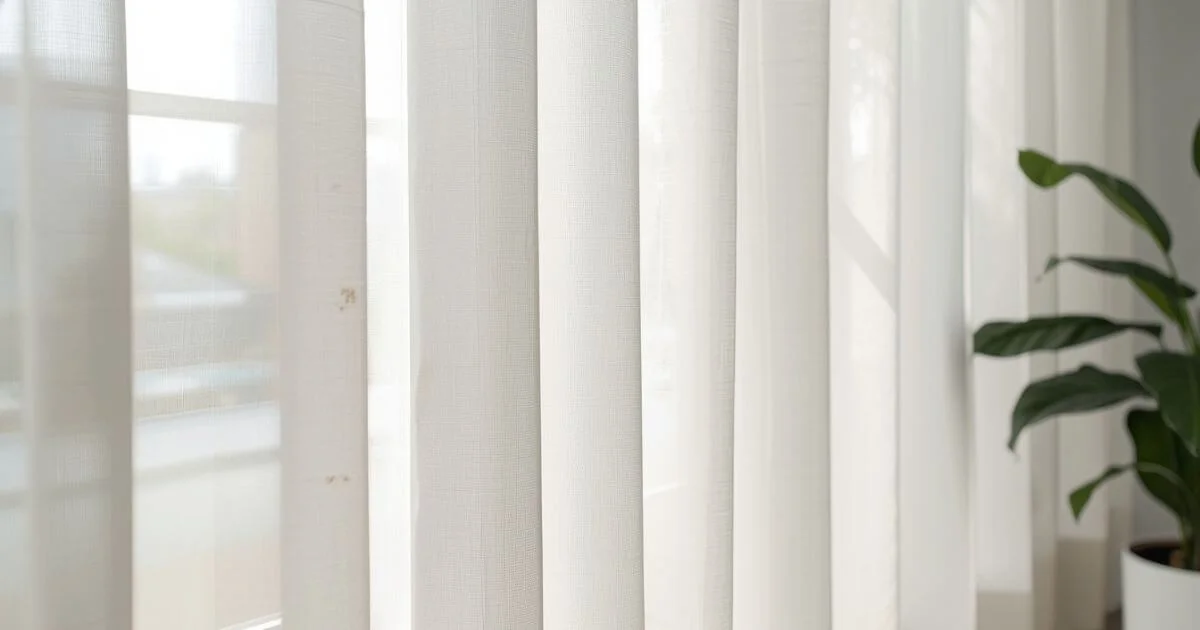
Brown spots on curtains are one of the most frustrating things a homeowner can encounter. They make your curtains look old, dirty, and neglected, and they can even clash with your home décor or furniture colors. You might be embarrassed if guests notice them or unsure how to clean them without ruining your curtains.
The good news? With the right guidance, you can remove brown spots on curtains, prevent future stains, and keep your window treatments looking fresh. In this guide, we’ll walk you through the causes, practical solutions, and tips that work for every type of curtain, including thermal-backed, blackout, and delicate fabrics.
Table of Contents
ToggleWhat Causes Brown Spots on Curtains

Understanding why brown spots on curtains appear is the first step to fixing them. Here are the main reasons:
Mold and mildew – Moisture from humidity, damp windows, or kitchen grease can cause mold growth.
Water damage – Leaks or condensation can leave yellowish-brown or brown discoloration on the fabric.
Aging fabric – Over time, natural fibers like cotton or linen may develop brown stains or curtain foxing.
Smoke residue – Cigarette smoke or fireplace smoke can create brown marks.
Rust – Curtain rods or eyelets that rust can leave small brown dots.
Light exposure – Excessive sunlight can cause discoloration near the edges or folds.
Visual cues to watch for: small brown dots, brown patches, marks near hems or folds, and stains on the curtain lining.
Real-life example: One client noticed small brown spots on her thermal-backed curtains in her living room. After identifying it as mold caused by kitchen humidity, she treated it safely with vinegar and baking soda. Within a week, the spots faded, and her curtains looked brand new.
Explore the Best Living Room Curtain Ideas for Modern Homes to instantly elevate your space with style, light control, and texture.

How to Remove Brown Spots on Curtains
Here are practical methods to get rid of brown spots without damaging your curtains:
1. Spot Cleaning for Minor Stains
If you notice small brown spots, try spot cleaning first:
Mix one part vinegar with two parts water in a spray bottle.
Spray directly on the spot and blot with a clean cloth.
For stubborn stains, sprinkle baking soda on the damp spot, let it sit for 10 minutes, then blot gently.
This method works for cotton curtains, fabric curtains, and curtain lining.
Discover Elegant Bedroom Curtain Styles for a Soft Look to create a cozy, relaxing, and visually appealing retreat.
2. Removing Mold from Curtains
Mold or brown mould on curtains can be dangerous if left untreated. Here’s how to safely remove it:
Without washing: Spray vinegar or a mixture of vinegar and water on affected areas. Let it sit for 30 minutes, then blot.
With thermal-backed curtains: Avoid soaking. Use a cloth soaked in vinegar solution to dab the spots.
Dry cleaning: If unsure, professional dry cleaning removes mold safely, especially for delicate or blackout curtains.
3. Treating Brown Stains from Moisture or Water Damage
Make a paste using baking soda and water. Apply it to the stain and let it dry. Brush off the residue.
For older stains, sunlight exposure can help fade minor brown discoloration naturally.
4. Preventing Future Brown Spots
Preventing stains is easier than removing them:
Reduce humidity in rooms with curtains, especially bathrooms and kitchens.
Use curtain liners to protect fabric from dust and moisture.
Clean curtains regularly with spot treatment or mild washing.
Check for rusty rods or hooks and replace them to avoid rust marks.
Stop light bleeding by rotating curtains periodically and using blackout layers.
Professional Pain Points & Guidance
Some users may be hesitant to handle brown spots on curtains themselves. Here’s what professionals encounter:
Risk of fabric damage – Delicate fabrics, thermal-backed curtains, or antique textiles can tear or fade.
Persistent mold or mildew – Large infestations require professional cleaning to ensure all spores are removed.
Time and effort – DIY removal can take hours, while professionals have tools and chemicals to speed up the process.
Cost vs. DIY – Professionals may be more expensive, but they guarantee safe and long-lasting results.
For homeowners unsure about DIY treatments or those with expensive curtains, hiring a professional can prevent permanent damage.
Quick Fixes for Busy Homeowners
If you want a fast solution:
Use a vinegar spray or baking soda paste for spot cleaning.
Dry the curtains in sunlight after cleaning to prevent mold growth.
For thermal-backed or blackout curtains, dab gently without soaking.
Regularly inspect curtain edges, folds, and lining for early signs of brown spots.
Additional Tips for Long-Term Care
Rotate curtains to reduce sunlight exposure on one side.
Vacuum curtains with a soft brush attachment to remove dust, which can encourage mold.
Wash removable curtain panels according to fabric care instructions.
Treat brown spots naturally before they worsen, using vinegar, baking soda, or mild soap.
Final Thoughts
Brown spots on curtains are more than just an appearance issue—they often signal moisture, mold, aging fabric, or hidden damage. Ignoring them can make curtains look dull, affect indoor air quality, and even shorten the life of the fabric.
The good news is that most brown stains, brown marks, and small brown spots on curtains can be treated at home if caught early. Simple steps like spot cleaning, vinegar or baking soda treatment, and moisture control can make a visible difference. For delicate, thermal-backed, or heavily affected curtains, professional dry cleaning is often the safest route.
By understanding what causes brown spots on curtains and acting quickly, you can restore their look, protect your home environment, and avoid unnecessary replacement. Regular care, ventilation, and early treatment are the real long-term solutions.
FAQs
1. What are the brown spots on my curtains?
Brown spots are usually caused by mold, mildew, moisture exposure, water damage, aging fabric, or rust from curtain rods or eyelets. In older fabrics, it can also be curtain foxing.
2. Is mould on curtains dangerous?
Yes, mould on curtains can be harmful, especially for people with allergies, asthma, children, or the elderly. Prolonged exposure may cause respiratory irritation or allergic reactions.
3. Is brown mould toxic?
Not all brown mould is toxic, but it should never be ignored. Some molds release spores that can affect air quality and health, making removal important.
4. How do I remove brown spots on curtains without washing them?
You can spot clean using:
A vinegar and water solution
Baking soda paste for stains
Gentle blotting with a clean cloth
This method works well for small brown spots and light stains.
5. Will vinegar remove mould from curtains?
Yes. White vinegar is effective for killing mold and mildew on many curtain fabrics. Always test on a small hidden area first to avoid discoloration.
6. Can baking soda remove color stains from curtains?
Baking soda can help lift light brown stains and neutralize odors, especially when combined with water or vinegar. It works best on fresh or mild stains.
7. How do I remove mould from curtains with thermal backing?
Avoid soaking thermal-backed curtains. Instead:
Dab with a vinegar solution
Use gentle spot cleaning
Allow thorough air drying
For severe mold, professional dry cleaning is recommended.
8. Why do brown spots keep coming back on my curtains?
Recurring spots usually mean ongoing moisture, humidity, poor ventilation, or leaks. Without fixing the root cause, stains may return even after cleaning.
9. How can I prevent mold and brown spots on curtains?
Reduce indoor humidity
Improve airflow near windows
Use curtain liners
Dry curtains completely after cleaning
Avoid hanging curtains in damp conditions
10. Should I replace curtains if brown spots don’t come out?
If stains are deep, spreading, or the fabric is weakened, replacement may be necessary. However, many cases can still be saved with professional cleaning.