
Table of Contents
ToggleStage Curtains: Complete Guide to Types, Materials, Installation, and Local Buying (2026)
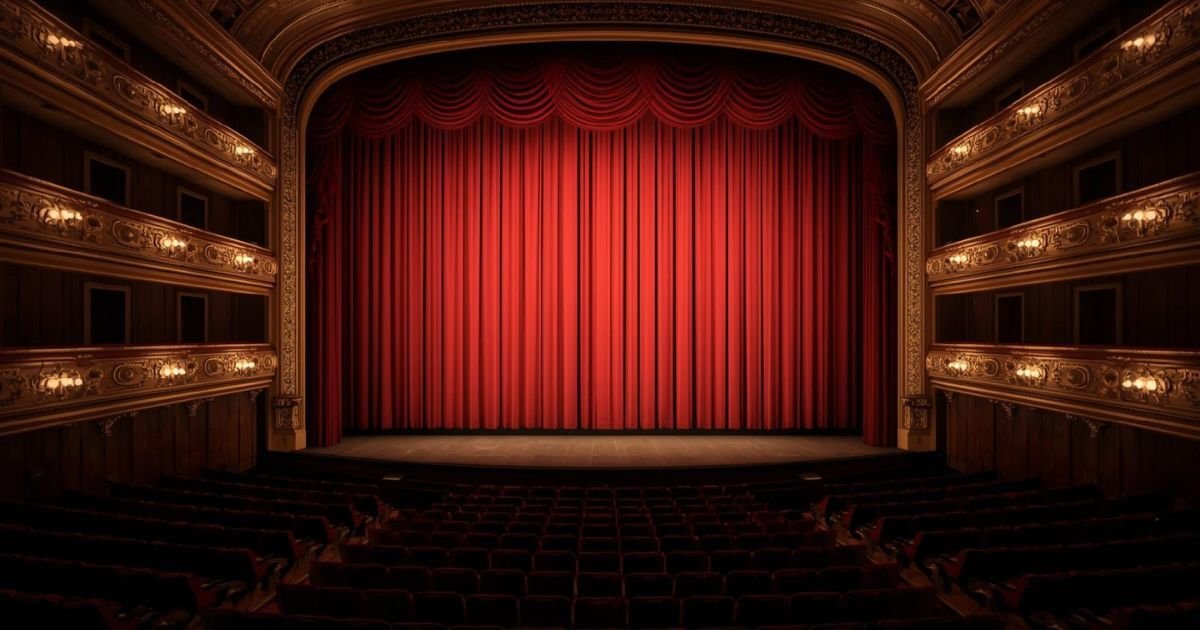
What Are Stage Curtains?

Stage curtains are specialized theatrical drapes used in performance spaces to control visibility, lighting, acoustics, and scene transitions. Unlike household curtains, they are engineered as part of a venue’s stage infrastructure, designed to meet safety standards, withstand heavy use, and interact precisely with lighting and sound.
In theatre and stagecraft, these fabrics are often called soft goods. They include the main front curtain, masking drapes that hide backstage areas, and scenic backgrounds that shape the visual world of a performance. You’ll find them in theatres, school auditoriums, opera houses, TV studios, black box theatres, and event halls across Europe and worldwide.
Why Stage Curtains Matter
Stage curtains do far more than open and close a show. They:
Focus audience attention
Conceal technical equipment and scene changes
Improve sound behavior on stage
Control light reflection and spill
Support storytelling and visual design
Help venues meet public safety regulations
Well-chosen stage drapery elevates production quality, protects performers, and ensures compliance with fire and building inspection requirements. Poor choices can lead to failed inspections, weak acoustics, or unsafe rigging conditions.
Core Types of Stage Curtains (Full Classification)
Understanding the main curtain categories prevents costly mistakes and helps you design a complete soft goods package.

1. Front-of-House Curtains
These define the audience’s first and last visual impression.
Grand drape (main stage curtain): The primary curtain that opens and closes performances.
Proscenium curtain: Frames the stage opening beneath the proscenium arch.
Traveler curtain: Slides horizontally on tracks.
Austrian curtain: Decorative, scalloped curtain that lifts vertically.
Venetian curtain: Rises straight up in sections.
2. Masking Curtains
Used to hide wings, lighting bars, and backstage movement.
Legs: Tall vertical curtains placed at the sides.
Borders (teasers): Horizontal curtains masking the top of the stage.
Tabs: Decorative side drapes that can frame the playing area.
3. Background Curtains
These shape scenery and lighting effects.
Backdrop: Solid scenic background.
Cyclorama (cyc): Large, seamless fabric for lighting washes and sky effects.
Scrim: Semi-transparent fabric that appears opaque when front-lit and transparent when backlit.
4. Specialty Curtains
Acoustic stage curtains
Projection surfaces
Star drops
Outdoor stage drapes
LED-integrated scenic fabrics
Stage Curtain Materials and Fabric Science

Professional theatre curtains are chosen based on how they absorb light, handle sound, and meet safety regulations.
| Fabric | Key Characteristics | Typical Uses |
|---|---|---|
| Velour (cotton or IFR polyester) | Heavy, light-absorbing, elegant | Grand drapes, legs, borders |
| Commando cloth | Dense, matte, durable | Masking and backdrops |
| Muslin | Lightweight, paintable | Scenic backdrops |
| Scrim (sharkstooth, bobbinet) | Translucent, illusion-based | Visual effects |
| Polyester IFR | Flame resistant, washable | Schools, touring stages |
Important attributes include fabric weight (oz per square yard), opacity, acoustic absorption, durability, and certification status.
Fire Safety Standards and Compliance

Public performance venues require stage curtains that meet recognized fire standards. Depending on region and venue type, commonly referenced standards include:
NFPA 701 (flame propagation testing)
ASTM E84 (surface burning characteristics)
BS 5867 (UK flame resistance)
EN fire standards (across the EU)
Most modern venues use IFR (Inherently Flame Retardant) fabrics, which retain fire resistance for the life of the material rather than relying on surface treatments.
Any stage in a school, municipal hall, theatre, or hotel ballroom should use documented, certified materials. Decorative household curtains are not substitutes.
How Stage Curtains Work

Stage curtains operate as part of a coordinated technical system.
Mounting: Curtains are attached to battens, pipes, or aluminum tracks.
Rigging: These supports connect to a fly system, counterweight rigging, or motorized track.
Operation: Curtains move horizontally, vertically, or diagonally depending on design.
Integration: Lighting and acoustic treatment interact with fabric surfaces.
Control: Manual pull lines, winches, or electronic controllers manage motion.
Professional rigging technicians calculate load requirements and ensure smooth, silent operation.
Professional vs Decorative Curtains

A common mistake is treating stage curtains like interior décor. Professional theatre drapes differ in:
Fire certification
Fabric density
Light absorption
Acoustic behavior
Stitching and reinforcement
Rigging compatibility
Longevity under repeated movement
Using residential curtains on a stage risks failed inspections, glare issues, and premature fabric failure.
Choosing the Right Stage Curtains: A Practical Framework

Before ordering or requesting quotes, answer these questions:
What type of venue is this (school, theatre, studio, event hall)?
What fire standards apply?
Will curtains be manual or motorized?
Is visual control or acoustic improvement the top priority?
What is the ceiling height and stage width?
How frequently will the system be used?
Is touring, outdoor, or permanent installation required?
Venue-Based Guidance
Schools: Durable IFR velour, simple travelers, masking legs, easy maintenance.
Community auditoriums: Mid-weight velour, borders, backdrops, optional cyclorama.
Professional theatres: Grand drape, full masking set, scrims, cycs, acoustic integration.
TV studios: Black velour, acoustic curtains, motorized tracks.
Outdoor stages: Weather-resistant polyester with reinforced rigging.
Installation and Rigging Systems

Stage curtains are only as good as the systems that support them.
Common methods include:
Ceiling-mounted curtain tracks
Pipe battens
Counterweight fly systems
Motorized traveler tracks
Portable truss rigs
Professional installation typically involves stage engineers or AV integrators who handle:
Load calculations
Track alignment
Fire documentation
Safety inspections
Staff training
Improper rigging is one of the leading causes of stage-related incidents.
Acoustic and Lighting Interaction

Curtains play a subtle but critical role in sound and light control.
Heavy velour absorbs high-frequency reflections.
Masking curtains reduce echo from side walls.
Cycs create even lighting washes.
Matte black fabrics prevent glare and light spill.
When coordinated with acoustic panels and stage lighting design, curtains become tools for shaping the entire sensory experience.
Maintenance and Long-Term Ownership
Professional curtains are long-term assets.
Recommended practices:
Quarterly visual inspections
Annual cleaning with approved methods
Certification record reviews
Track lubrication
Rigging safety audits
Immediate repair of tears or loose hardware
Well-maintained stage curtains can serve venues reliably for many years.
Cost Factors and Budget Planning
Stage curtain pricing varies widely. Instead of fixed figures, venues should plan based on:
Fabric type and weight
Curtain fullness and height
Fire certification
Custom sewing and reinforcement
Rigging complexity
Installation labor
Control systems (manual vs motorized)
Entry-level school installations differ greatly from custom opera house packages. Always request site-based assessments before budgeting.
Finding Stage Curtain Suppliers and Installers
Even for global buyers, procurement often involves local specialists.
Common provider types include:
Theatre supply houses
Custom drapery manufacturers
AV integration firms
Architectural contractors
Event production companies
In Europe, buyers often search regionally for theatre drapes in the UK, stage curtain suppliers in Germany, auditorium curtain contractors in France, or custom stage curtains across the EU.
Reliable providers typically offer:
Site measurement
Custom fabrication
Installation
Fire documentation
Ongoing maintenance support
Common Mistakes to Avoid
Purchasing decorative curtains instead of stage-rated fabrics
Ignoring local fire standards
Underestimating curtain weight
Using residential tracks
Skipping professional installation
Overlooking acoustics
Failing to plan maintenance
Each of these can lead to safety risks, failed inspections, or wasted budgets.
Alternatives and Modern Variations
Some venues supplement or replace traditional curtains with:
Modular scenic panels
LED video walls
Projection scrims
Digital backdrops
Acoustic baffle systems
These technologies expand creative options but rarely eliminate the functional value of soft goods.
Discover more ar Biyadecor.
Conclusion
Stage curtains are not decorative accessories. They are essential components of stage infrastructure, shaping how audiences see, hear, and experience performances. From the grand drape that opens a show to the cyclorama that transforms lighting, every curtain plays a technical role.
Whether upgrading a school auditorium, designing a theatre, or outfitting a performance hall, success depends on understanding curtain types, fabric science, fire standards, and rigging systems. With the right choices and professional installation, stage curtains become long-term assets that support creativity, safety, and production quality for years to come.