
Table of Contents
ToggleBest Curtain Fabrics for Dining Rooms: How to Choose the Perfect Material
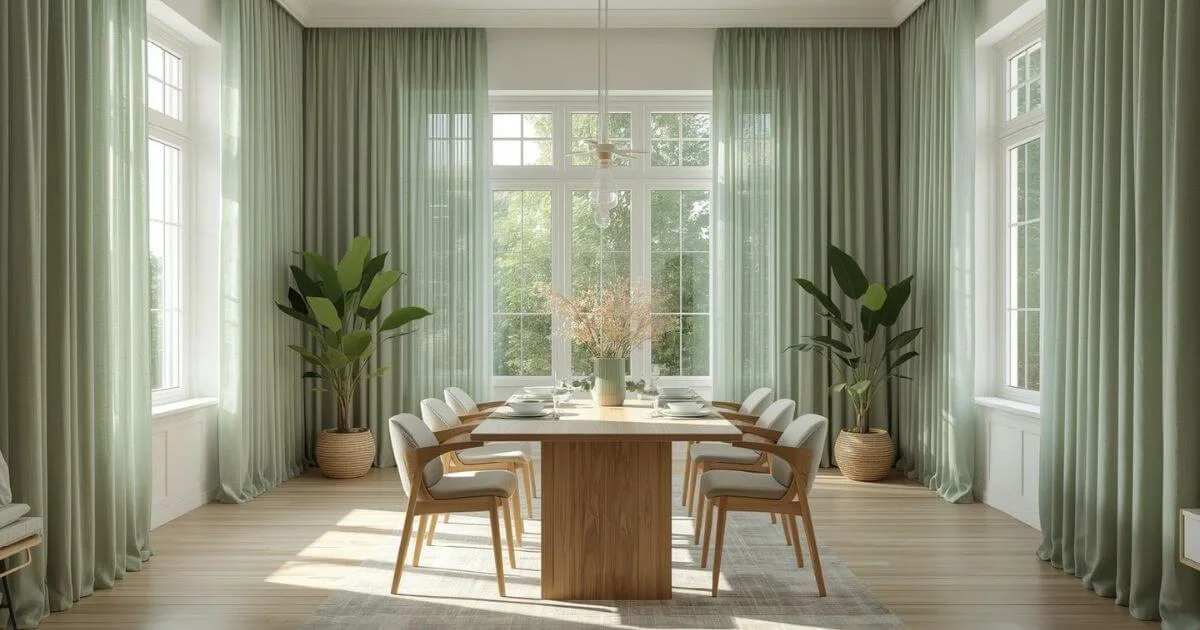
Choosing the right curtain fabrics for dining rooms can feel overwhelming. After all, your dining room isn’t just a place to eat; it’s a space where memories are made, from family dinners to festive gatherings. The wrong fabric can make your room look dull, be difficult to maintain, or wear out too quickly. In this guide, we’ll explore the best curtain fabrics for dining rooms, explain their unique qualities, and give you practical tips to pick the ideal material for your home.
Why Fabric Choice Matters in the Dining Room
The fabric you choose for dining room curtains or furniture impacts three key aspects of your space:
Durability – Dining rooms are high-traffic areas. Kids, pets, and daily use mean fabrics need to withstand spills and wear.
Aesthetics – The right fabric can elevate your decor. It complements dining chairs, tables, and wall colors, creating a cohesive, elegant space.
Functionality – Curtains control light, provide privacy, and add warmth. Some fabrics block light effectively, while others soften natural sunlight for a relaxed ambiance.
Choosing the right material balances these factors while matching your personal style.
Best Materials for Dining Room Curtains
When selecting dining room curtains, you need fabrics that are durable, easy to maintain, and visually appealing. Let’s break down the most popular options:
1. Linen Curtains
Pros: Linen is natural, breathable, and lightweight. It gives a soft, casual elegance to dining rooms.
Cons: Wrinkles easily, so it may require frequent ironing.
Best Use: Perfect for light-filtering curtains or paired with blackout liners for flexibility.
Style Tip: Choose textured or patterned linens for a modern, rustic, or Scandinavian aesthetic.

2. Velvet Curtains
Pros: Luxurious and soft, velvet adds warmth and elegance. Excellent for privacy curtains and light-blocking.
Cons: Heavier material, requires professional cleaning, may attract dust.
Best Use: Ideal for traditional, eclectic, or formal dining rooms.
Style Tip: Deep jewel tones like emerald, sapphire, or burgundy make a bold statement.

3. Cotton Curtains
Pros: Easy to clean, affordable, and versatile. Cotton blends are wrinkle-resistant and can be machine washed.
Cons: May fade over time if exposed to strong sunlight.
Best Use: Casual or family dining rooms where durability and easy maintenance are priorities.
Style Tip: Pair patterned cotton with neutral walls or solid upholstery for balance.

4. Polyester Curtains
Pros: Highly durable, fade-resistant, and stain-resistant. Excellent high-traffic area fabrics.
Cons: Less breathable than natural fabrics, may feel synthetic.
Best Use: Modern dining rooms needing easy-care curtains that last.
Style Tip: Tightly woven polyester blends mimic silk or linen while staying low-maintenance.

5. Silk Curtains
Pros: Smooth, elegant, and luxurious. Adds a natural sheen that enhances light.
Cons: Expensive, delicate, and prone to fading. Requires professional cleaning.
Best Use: Formal dining rooms or special occasions.
Style Tip: Pair silk curtains with velvet cushions or a polished wood dining table for a rich, layered look.

6. Sheer Fabrics (Voile, Chiffon)
Pros: Light, airy, and translucent. Perfect for softening sunlight while maintaining privacy.
Cons: Offers minimal light blocking, less durable than heavier fabrics.
Best Use: Layering with heavier curtains for versatility.
Style Tip: Combine with linen or velvet drapes for a dynamic layered effect.
7. Jacquard Fabric
Pros: Decorative woven patterns, sturdy and visually striking. Adds texture without heavy maintenance.
Cons: Slightly heavier, requires careful cleaning.
Best Use: Accent panels or full-length drapes for traditional and eclectic dining rooms.
Style Tip: Use subtle patterns to complement dining chairs’ upholstery.
Practical Tips for Choosing Dining Room Fabrics
Selecting the right curtain fabric goes beyond style—it’s about matching fabric to function. Here’s how to choose wisely:

1-Assess the Room’s Needs
Need privacy? Go for heavier fabrics like velvet or tightly woven polyester.
Need light control? Layer sheer fabrics with linen or cotton for flexible sunlight filtering.
2-Consider Maintenance
Homes with kids or pets benefit from durable, stain-resistant fabrics like polyester blends or treated cotton.
If you prefer low-maintenance, avoid delicate silks and pure linens without protective liners.
3-Mix Fabrics for Depth
Layer curtains to combine style and function. For example, sheer linen panels with polyester blackout drapes create a practical, elegant solution.
Upholstered dining chairs can match curtain textures or contrast with them for visual interest.
4-Think About Color and Pattern
Neutral tones for understated elegance.
Bold colors or geometric prints to energize the space.
Consider jewel tones or textured fabrics to highlight traditional or modern aesthetics.
5-Test the Fabric
Always request samples or swatches to see how light affects the color and texture.
Check if the fabric complements your dining chairs, table, and room theme.
Dining Room Upholstery and Fabric Pairing

Curtains aren’t the only fabric element in dining rooms. Dining chair fabric and upholstery play a major role in style and comfort.
Leather Upholstery – Easy to clean, luxurious, durable, and ideal for heavy-use dining chairs.
Velvet Upholstery – Adds richness, especially for accent chairs, but may require careful maintenance.
Performance Fabrics – These include treated cotton or polyester blends that resist stains, fading, and wear—perfect for families.
Natural Fabrics – Linen, cotton, or wool blends provide comfort and breathability but require protective measures for longevity.
By selecting coordinated or complementary fabrics, you create a cohesive look. For instance, a neutral cotton curtain paired with velvet accent chairs balances elegance and practicality.
Real-Life Example: Problem-Solving with the Right Fabric
One client, Lisa, had a casual dining room flooded with sunlight. Her previous curtains faded quickly, and spills from children’s meals ruined her upholstery. We recommended layered linen curtains with a polyester blackout lining.
Result:
Sunlight filtered gently during the day while protecting the room from harsh rays.
The polyester lining was durable, stain-resistant, and easy to clean.
Linen added a soft, welcoming texture, complementing her cotton dining chairs.
This approach solved both aesthetic and functional problems, enhancing the room’s ambiance while making maintenance simple.
Trending Curtain Fabrics and Design Ideas

Eco-Friendly Fabrics – Sustainable linen and recycled polyester blends are increasingly popular for conscious homeowners.
Mixing Textures – Pair smooth silk curtains with textured upholstery or patterned dining chair fabrics for depth.
Modern and Contemporary Styles – Geometric prints, jewel tones, and bold textures complement minimalist or eclectic dining rooms.
Performance Velvet – Combines luxury with practical durability, ideal for high-traffic dining spaces.
For inspiration, check out Dining Room Curtain Ideas1 or explore Perfect Dining Room Curtains to see how different fabrics are used in real setups.
Key Takeaways for Selecting Dining Room Fabrics
Focus on durability, aesthetics, and functionality when choosing curtain and upholstery fabrics.
Natural fabrics like linen and cotton offer comfort and breathability, while synthetic fabrics like polyester provide durability and stain resistance.
Layering fabrics creates versatile solutions for light control, privacy, and design appeal.
Always consider matching fabrics with dining chairs and furniture to create a harmonious look.
Practical maintenance matters—select fabrics that suit your household lifestyle.
By following these tips, you can confidently choose the best curtain fabrics for dining rooms and related upholstery fabrics, ensuring your space is both beautiful and practical. Whether your goal is casual comfort, modern style, or traditional elegance, the right material will transform your dining area into a welcoming and stylish centerpiece of your home.
Conclusion
Choosing the best curtain fabrics for dining rooms is more than picking a pretty material—it’s about combining style, functionality, and durability. From breathable linens and cozy velvets to practical polyesters and elegant silks, every fabric has unique benefits for your dining space. By considering factors like light control, maintenance, and how fabrics coordinate with your dining chairs and furniture, you can create a dining room that is both beautiful and practical. Layering fabrics, mixing textures, and selecting colors that complement your space ensures your curtains enhance the room’s ambiance while standing up to everyday life. With the right choice, your dining room becomes a welcoming, stylish, and easy-to-maintain space that suits your lifestyle.
FAQs:
1. What is the most durable curtain fabric for a dining room?
The most durable fabrics are polyester blends, performance velvets, and tightly woven cotton. These resist stains, fading, and heavy use, making them ideal for high-traffic areas like dining rooms.
2. Can I use linen curtains in a dining room with kids?
Yes, linen is breathable and stylish, but pure linen wrinkles easily and may stain. Pair it with a polyester lining or use a linen blend for better durability and easy maintenance.
3. Which fabric is best for blocking sunlight in dining room curtains?
For light-blocking curtains, velvet, tightly woven polyester, and jacquard fabrics work best. Layering sheer curtains underneath can add elegance while controlling light levels.
4. How do I choose a curtain fabric that matches my dining chairs?
Look for fabrics that complement your chair upholstery in texture, color, or pattern. For example, smooth silk curtains pair beautifully with velvet accent chairs, while cotton or linen curtains work well with casual fabrics.
5. Are synthetic fabrics like polyester better than natural fabrics for dining rooms?
Synthetic fabrics like polyester and polyester blends are more durable, stain-resistant, and fade-resistant, making them ideal for high-use areas. Natural fabrics like linen and cotton are breathable and stylish but may need more care. Layering natural fabrics over synthetics can give you the best of both worlds.